
Cooling-Off Breaks: A Practical Gaming Plan
Plan short breaks, identify risky spending patterns and know when to pause or seek support during gambling sessions.
- 📖 4 min read
- 🗂️ Responsible play
- 🗓️ Updated November 2026
- 18+ only

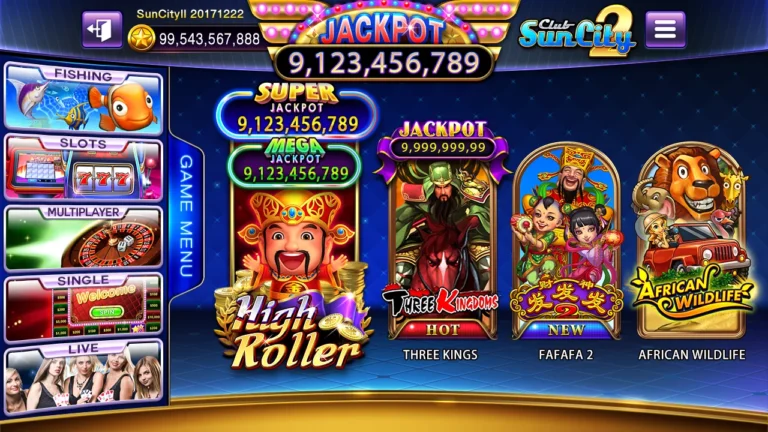
A cooling-off break is a planned pause from gaming — commonly 24 hours, a week or a month — chosen before you feel you need it. Uninstall Club Suncity 2 for the period, tell someone you trust, and decide in advance what has to be true before you play again.
For the site’s broader practical and security information, visit the Guides information. You can also return to Club Suncity 2 for the complete brand overview.
A break is a decision, not a punishment
Cooling off means deliberately stepping away from gaming activity so decisions are not driven by fatigue, frustration or the urge to recover a loss. Even a short pause can help a person recognise how much time and money has already been committed.
It is easier to plan breaks before opening a game than after an upsetting result. Write down a stopping time and entertainment budget you are prepared to lose without affecting necessities.
Recognise escalation signs
Increasing stakes to make up earlier losses, hiding spending, skipping planned commitments or thinking constantly about the next opportunity to win can signal that gambling is no longer controlled entertainment. Treat those signs seriously rather than as proof that one more attempt is needed.
A streak of wins can also make stopping difficult. Feeling unusually certain of a favourable next result is not reliable evidence of future outcomes.
Create a concrete stopping routine
Set an alarm unrelated to the game interface, and decide on a maximum session duration. Keep payment methods and essential-expense funds separate where practical. If the planned budget or end time is reached, close the session rather than extending it after a near miss.
Avoid combining gaming with alcohol, severe stress or sleep deprivation, which can impair judgement. If you routinely ignore self-set limits, stronger restrictions or professional support may be appropriate.
For the related background, see RTP and volatility basics; that guide covers the separate question in more detail.
Know the difference between a pause and exclusion
A personal break can be informal, while some operators provide formal time-outs, deposit controls or self-exclusion tools. The availability and effect of these tools vary, so check published operator terms rather than assuming every account supports identical features.
If you request an exclusion or formal restriction, follow its written process and seek confirmation of what it covers. A browser timer does not replace an operator-side limit.

Talk about the issue without shame
If gambling is causing financial or relationship harm, speaking with a trusted person or a qualified support service can help. In urgent financial distress, prioritise essential expenses and seek appropriate local guidance instead of gambling to solve the problem.
Responsible gaming information should be practical and non-promotional. Claims of reliable returns or loss-recovery systems undermine this purpose.
If your question is instead about fishing ammunition costs, use that focused article rather than applying unrelated troubleshooting steps here.
Make the next step independent of gaming
Use the break for another activity that does not involve checking results or promotional messages. Review the decision only after the agreed period, and consider longer-term limits if the urge to resume feels difficult to control.
The site’s responsible-gaming page offers broader context. No game category or statistical metric removes the possibility of loss.
A simple break plan
- Pick the length: 24 hours after a bad session, one week if sessions keep running over, one month if gaming is affecting money or sleep.
- Remove easy access: uninstall the app, delete bookmarks and sign out on every device.
- Tell one person you trust that you are taking a break.
- Fill the time slot you usually game in with something specific, such as exercise, a call or a walk.
- Review at the end: decide whether to return with new limits or extend the break.
Tools that support a break
Use Digital Wellbeing on Android or Screen Time on iPhone to block the app or browser access for the break period, and ask your bank whether it can block or flag gambling-related card transactions. If breaks keep ending early, consider a formal self-exclusion and talk to a counsellor. Our responsible gaming page lists where to start, and session limits help when you return.
Frequently Asked Questions
How long should a cooling-off break be?
Long enough to break the habit loop; a week or a month gives a clearer view than a single day.
What should I do during the break?
Fill the time you normally play with another activity and notice whether you miss the game or the routine.
When is a break not enough?
If you keep returning earlier than planned or chase losses afterwards, speak to a counsellor or support line.
Is it normal to feel restless during a break?
Yes, especially in the first few days. Planning activities for your usual gaming times makes it easier.
Related Articles
Responsible Gaming: Setting Session LimitsResponsible play → Read a Slot Paytable: Rules Before RewardsSlots →
 Live Casino Stream Lag: What It MeansConnection →
 Suspicious Link? How to Report It SafelyAccount safety →Club Suncity 2 QR Code Safety ChecksAccount safety →Club Suncity 2 Fake Promotion Warning SignsAccount safety →