
Club Suncity 2 Fish Shooting Targets and Costs
Learn how shooting-fish target values, ammo cost and game feedback differ, without assuming a target guarantees a reward.
- 📖 4 min read
- 🗂️ Fishing games
- 🗓️ Updated November 2026
- 18+ only

Each shooting fish game lists target values, ammo cost per cannon level and any special fish or bonus weapons on its rules screen. Reading it first tells you which targets are worth more and how quickly shots consume your balance, so you can choose a sensible cannon level in Club Suncity 2.
Target values and shot costs are easier to interpret after reading Club Suncity 2 Slots. The sections below focus specifically on ammunition exposure and target information.
Targets do not explain the whole game
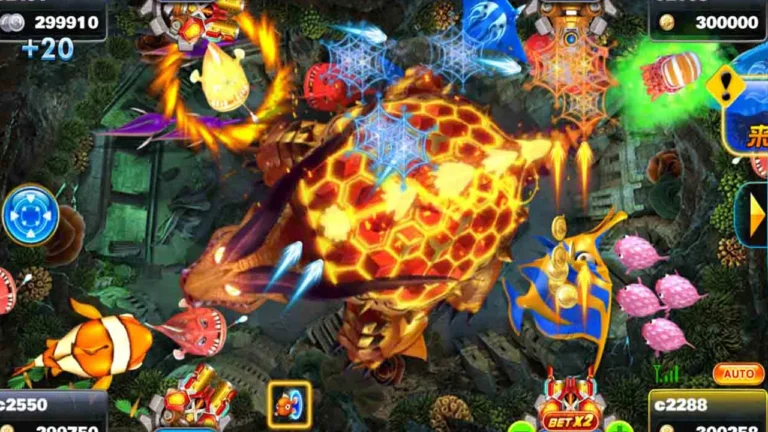
Shooting-fish arcade games often display moving targets with different sizes, animations or values. It can be tempting to assume that a larger fish always provides a better opportunity, but visual size alone does not establish the cost or probability of a successful capture. The title’s rules determine how ammunition, hit calculations and awards work.
Different fishing games can use different equipment, controls and credit units. Do not transfer a strategy claimed for one title to another without checking the rules.
Understand the shot cost
Before pressing a fire button, identify the cost of a single shot and how the chosen cannon or ammunition level affects that cost. A faster firing rate increases the number of wagers placed over time. Even a small displayed credit cost accumulates during repeated use.
For illustration, twenty shots at one credit each cost twenty credits, while twenty shots at five credits each cost one hundred credits. That is arithmetic, not a prediction of capture results.

Displayed target values
A target may display a multiplier or credit reward, but the number must be interpreted according to the game’s scoring rules. Some interfaces express values in points while others use currency-equivalent credits. Keep the distinction clear before comparing results.
If a target has a special animation, read whether it activates an award, changes the screen or initiates a different mechanic. A brightly colored symbol is not evidence of a certain payout.
Rate of fire and control
Automatic fire, lock-on and other controls can reduce the player’s need to tap repeatedly. They can also make spending less noticeable. Locate the control to stop firing and understand how quickly the credit balance changes during use.
If a control responds slowly, distinguish a network delay from a feature that continues until manually stopped. Do not assume closing a screen reverses a wager already placed.
For a related but distinct question, see shooting fish ammunition cost guide and slot symbols and feature explanation.
Why losing streaks do not create a guarantee
A run of unsuccessful shots can tempt users to increase ammunition cost to ‘recover’ earlier spending. There is no general rule that a target becomes easier merely because it has been on screen for longer. Any claim about capture probability needs evidence from the exact game’s mechanics.
Treat high-ammo modes as higher exposure, not as a guaranteed shortcut. A player should decide on a total entertainment budget before engaging, not after losses begin.
Compare fishing games carefully
Useful comparisons include per-shot cost, target rules, control transparency, special features and whether the game explains award calculations. A label such as ‘best fish’ says little without comparable rules and costs.
For an understanding of overall ammunition spending, use a concrete cost example rather than promotional statements about easy wins.
How to review a round
Look at the starting and ending credit amounts, number of shots fired where available, selected ammunition cost and any recorded awards. These observations are more useful than guessing whether the fish ‘almost’ paid.
When game information is incomplete, the safest response is to avoid claiming an exact payout, capture rate or strategy. Understand the mechanics before risking funds.
For the broader navigation and currently published product information, use the games information page.
Reading a target table
Most fishing games list each target with a multiplier. A small fish might show 2x to 5x, mid-sized fish 10x to 30x, and large or boss targets 50x to several hundred times the shot value. If your cannon costs 0.20 per shot, a 20x fish pays 4.00 when caught. The table does not show how many shots that catch might need, so compare the multiplier with what you are spending, not just the headline number. Values here are illustrative; each title’s rules screen gives its real figures.
Special targets and their catch
- Boss fish: highest multipliers, usually the most shots needed, and often shared with other players at the table.
- Bomb or chain fish: can catch several nearby targets at once; the total depends on what is on screen.
- Bonus or wheel fish: trigger a spin or mini-game when caught, with variable prizes.
- Weapon fish: award a laser or drill weapon, which may have its own cost rules.
For how cannon cost interacts with these targets, see cannon levels: cost vs value.
Frequently Asked Questions
Where are the rules in a fish game?
Usually behind a menu, “?” or info icon on the game screen.
Are boss fish worth targeting?
They pay more but often take many shots; with every shot costing a bet, they can drain a budget fast.
Do special weapons cost extra?
It depends on the game. The rules screen explains when bonus weapons appear and what they cost.
Are small fish a waste of shots?
Not necessarily. They pay less but tend to need fewer shots, which keeps spending steadier.
Related Articles
Shooting Fish Cannon Levels: Cost vs ValueFishing games →Shooting Fish Games: Ammo and Target CostsFishing games → Club Suncity 2 Password Manager Safety GuideAccount safety →
 Club Suncity 2 Verification Code Not ArrivingLogin help →Club Suncity 2 APK Permissions ExplainedAccount safety →Club Suncity 2 RegistrationLogin help →